Project lead
Hawaii Department of Transportation
The County of Maui Department of ʻŌiwi Resources is currently working with Group 70 International, Inc. (G70) to develop the Lahaina Royal Complex Master Plan. The project scope includes hydrology and water policy; wildfire resiliency and risk planning; biological and ecological assessment; cultural landscape architecture; community engagement protocol; transportation circulation planning; topographical survey; cultural and archaeological studies; soils and geotechnical studies; and boundary mapping.
Provide your comments on the draft Action Plan online, by mail or in-person at the Lahaina Resource Center or Kāko‘o Maui Relief & Aid Services Center.
.png)
The Lahaina Bypass
This project will extend the current boundaries of the Lahaina Bypass to increase connectivity and continue development of a utility corridor in West Maui. This project has high interest and support from community members, and would serve an added benefit of providing redundancy in the transportation system in West Maui.
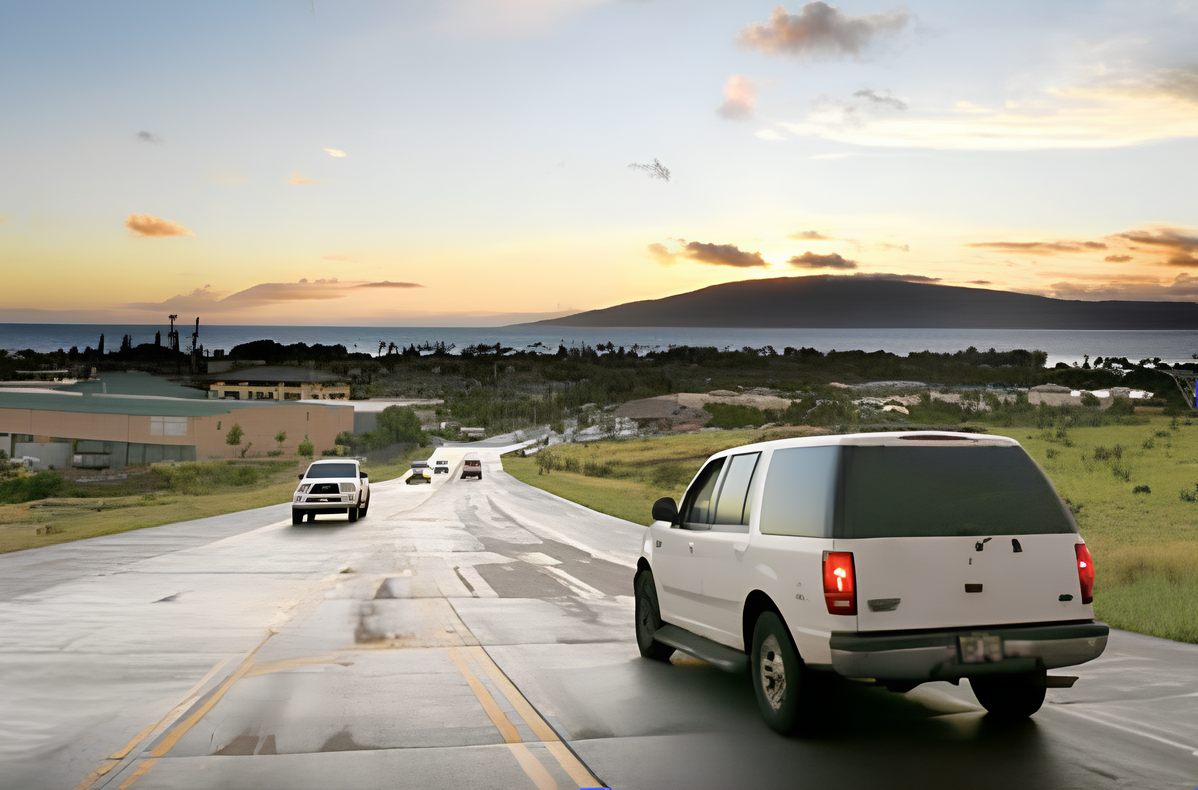
The project involves the construction of a four-lane, controlled access, bypass highway between Keawe Street and Honokowai, a distance of approximately 5 miles. The bypass will extend northward from its terminus at Keawe Street as it passes to the east of the Kāʻanapali Resort and then proceed in a northwesterly direction until it reaches Honokowai, south of Mahinahina Gulch. The minimum right of way width will be 150 feet. A Kāʻanapali Connector will be located to the north of the Lahaina Civic Center and will be approximately 1 mile in length.

C11: Lāhaina Bypass Phase 1C
This project is reliant on land acquisition for right of way and requires the Environmental Impact Statement to be updated. The State DOT is currently prioritizing adjustments to existing infrastructure and is not currently planning to engage in projects for new construction / new capacity. This project is on the State’s Transportation Improvement Program, however it is not listed as a priority project and does not have a timeline.
Multiple funding sources have been identified to support the project, including State of Hawaii, US DOT Federal Highways Administration, and CDBG-DR program.
$80-$150 Million
Hawaii Department of Transportation